ABOUT EXPLORE KENAI
Meet Your Fishing Guides, Boats & Equipment and more
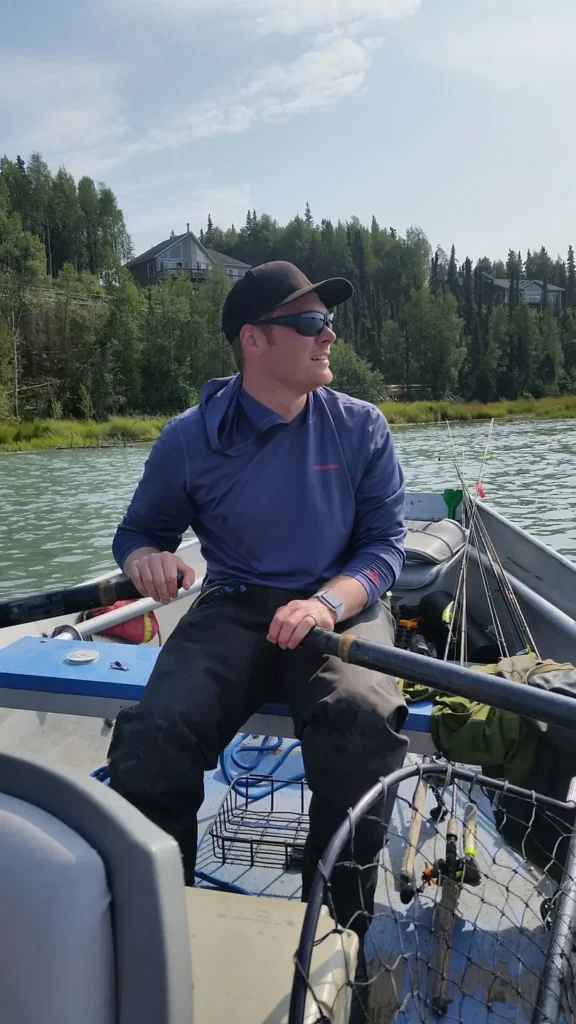
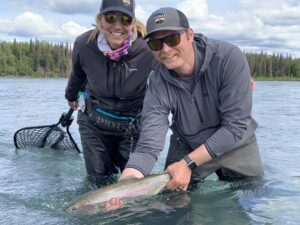
Dustin Voss
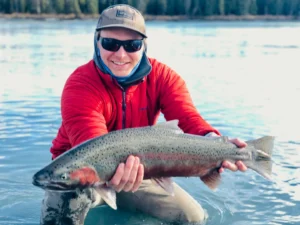
Dustin is a life-long Alaskan who grew up in Barrow, a town located above the Arctic Circle, where long summers and wild landscapes helped shape his passion for the outdoors.
After high school, Dustin attended the University of Alaska Anchorage, often planning his class schedule around time on the Kenai and surrounding rivers. Following graduation, he began his career as a professional firefighter on the Kenai Peninsula, a role that reflects his calm demeanor, strong leadership, and commitment to safety on and off the water.
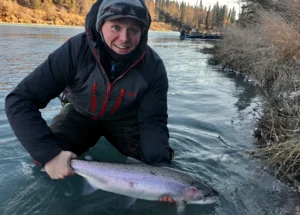
Taking advantage of his flexible fire-fighting schedule, Dustin guides throughout the summer and fall, sharing his deep knowledge of Alaska’s fisheries with clients of all experience levels. Whether it’s helping first-time anglers land their first salmon or putting seasoned fishermen on consistent action, he takes pride in creating a fun, productive, and memorable day on the water.
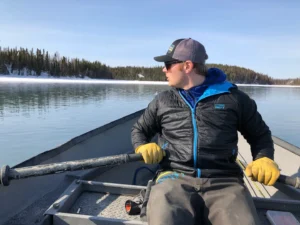
A member of the Kenai River Professional Guide Association, Dustin runs a 20ft North River Scout for sockeye, silver salmon, and trout, and a 20ft Willie drift boat on the Kasilof River for king and sockeye salmon in June and early July.
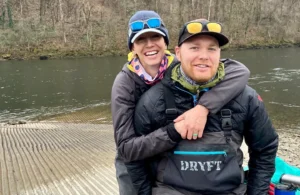
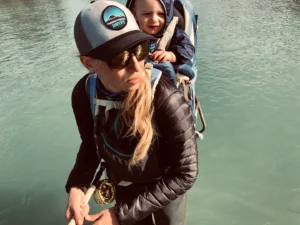
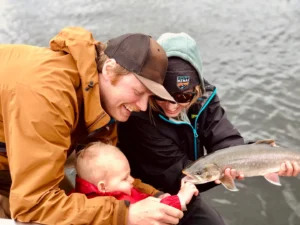
Dustin is married to fellow guide, Dallas, and together they are raising their son Blake and daughter Andrea—passing on their love for fishing and the outdoors to the next generation.
Explore Kenai was Ranked No. 3 in USA Today 10Best Fly Fishing Guides for 2026 in the Readers’ Choice Awards
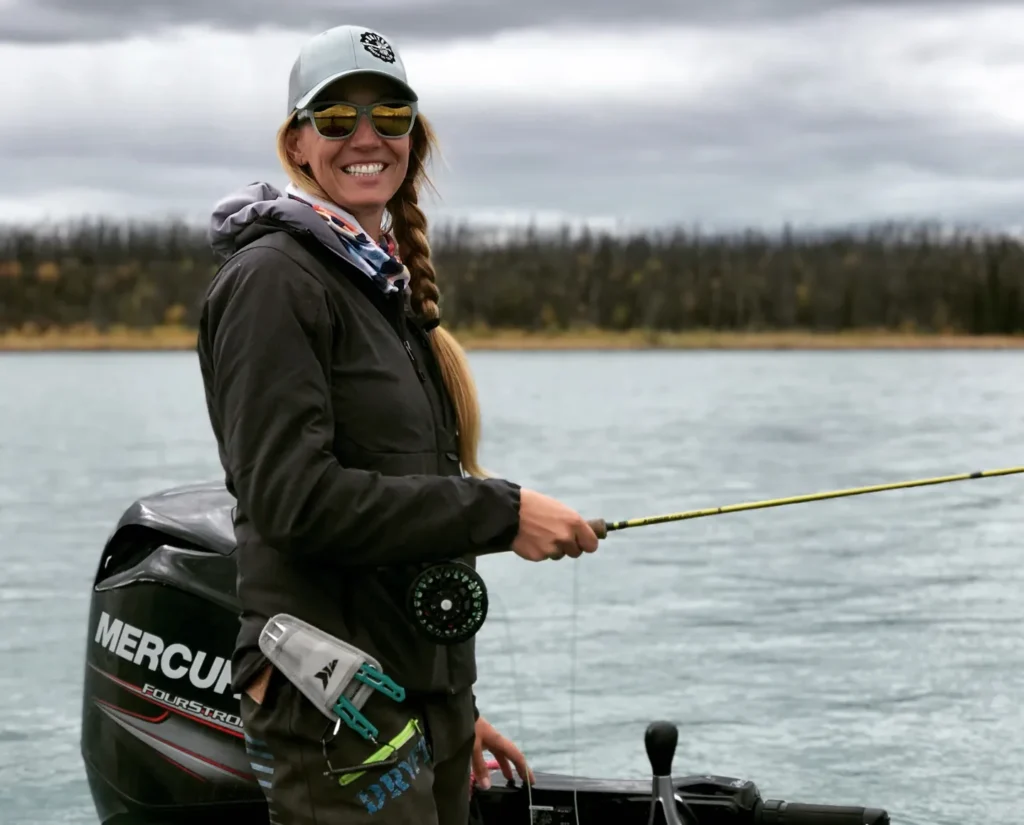
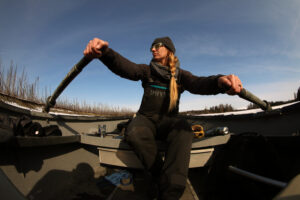
Dallas Voss
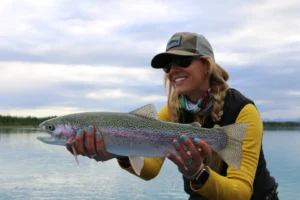
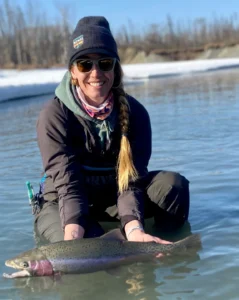
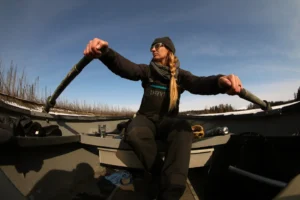
Running a 20-foot Willie Predator, Dallas guides clients of Explore Kenai to trophy fish right in her backyard. Based in her hometown of Kenai, she has access to five species of salmon and world-class rainbow trout, with steelhead and grayling fisheries just minutes away.
A lifelong Alaskan, Dallas moved to Kenai with her family at age three. Nearly every memory growing up revolves around fishing—exploring big rivers, small streams, and the waters of Cook Inlet. Her family not only fished for recreation but also worked in several commercial fisheries, including salmon gillnetting, halibut longlining, and oyster farming.
As a teenager, Dallas spent several summers working at Inlet Salmon, a commercial fish processing plant, and later worked for the Alaska Department of Fish & Game in Soldotna. These experiences helped shape her deep understanding of the Kenai River and the broader fishing community.
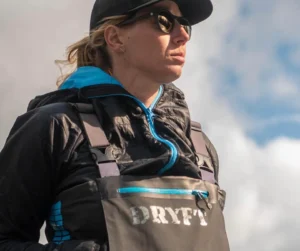
In the off-season, Dallas hosts women’s fly fishing trips around the world with Women’s Fly Fishing, with past adventures of Belize, Honduras, and Mexico. She also co-hosted Fishing TV’s World Fishing Day on June 23, 2018, which was broadcast globally. Dallas is a member of the Kenai River Professional Guide Association and serves as an ambassador for Dryft Waders and Trout Unlimited’s Kenai Guide Ambassador program.
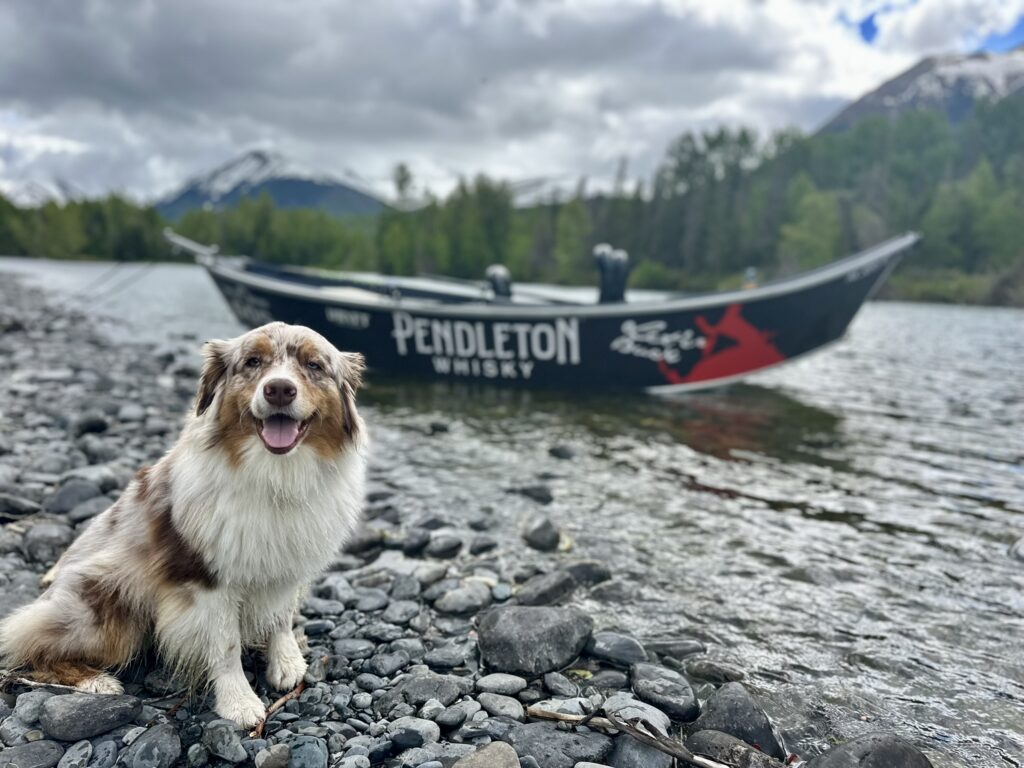
Meet The Deckhand
Our four-year old Australian Shepherd, Stella, regularly joins us on the Kenai River. If you or anyone in your party is allergic – or doesn’t like dogs – please let us know and she can stay at home.
Our Boats & Fishing Equipment
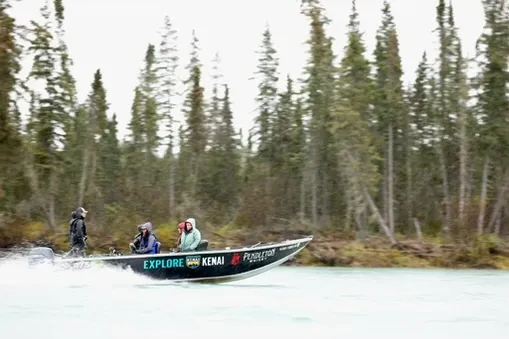
We use premium boats and high-quality fishing equipment to provide a comfortable, safe, and professional Alaska fishing experience. Our current fleet includes a 21-foot Willie Predator, a 21-foot North River Scout, and a 20-foot Willie Drift Boat — each selected specifically for navigating Alaska’s rivers safely and efficiently while giving anglers plenty of room to fish comfortably.
We outfit our guided Alaska fishing trips with trusted gear designed for the species and techniques we target throughout the season. For rainbow trout fishing, we primarily use Orvis fly rods. During silver salmon season, our guides rely on high-performance G. Loomis rods and TFO rods, while our sockeye salmon setups feature dependable Okuma Kenai Red rods built specifically for Alaska salmon fishing.
By combining professionally maintained boats with quality fishing gear, we help ensure every guest has the best possible experience on the water — whether you are fly fishing for trophy rainbow trout or battling hard-fighting salmon on the Kenai Peninsula.
Our Safety Standards & Equipment
At Explore Kenai, safety, reliability, and comfort are top priorities on every Alaska fishing trip. Our professionally maintained fishing boats are kept in excellent working condition and regularly serviced to help ensure a safe and enjoyable experience on the water for every guest.
Our experienced Alaska fishing guides are all CPR and First Aid certified and hold United States Coast Guard Captains’ Licenses. Whether you are joining us for a guided salmon fishing trip on the Kenai River or another Alaska fishing adventure, our team is committed to providing a safe, professional, and memorable experience.
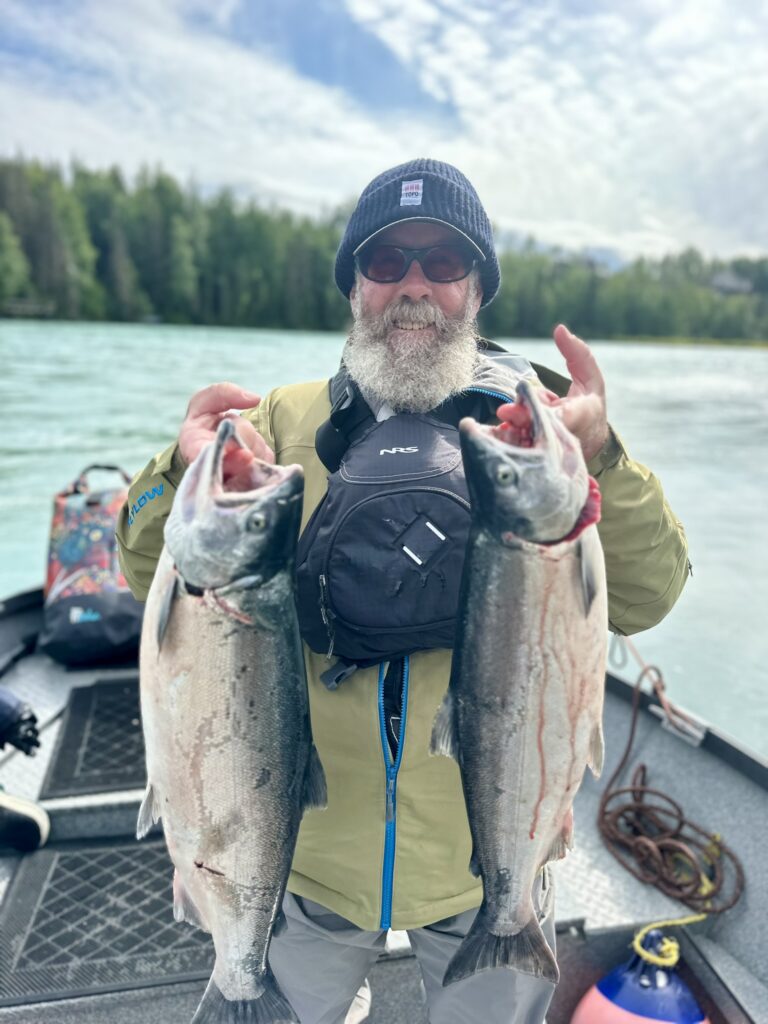
Each of our boats is equipped with the appropriate safety equipment, including premium NRS Ninja life jackets (PFDs), first aid kits, fire extinguishers, and other required safety gear. We also provide safety glasses a for all clients to wear while targeting sockeye salmon. Our goal is to ensure every guest feels safe, comfortable, and fully prepared while enjoying their Alaska guided fishing experience.
Before departing for your guided Alaska fishing charter, your guide will review important boating safety information, onboard equipment, and trip expectations so you can feel comfortable and confident throughout your time on the water.
Organizations We Proudly Support
We believe Alaska fishing is about more than just time on the water — it’s about giving back to the communities and organizations that make a positive impact. We are proud supporters and annually donate to Hooked on a Cure, Casting for Recovery, and Arctic Education Foundation.
These organizations help support important causes including cancer recovery programs, education opportunities, and community outreach through the outdoors. We are honored to support efforts that inspire, educate, and improve lives through fishing, conservation, and access to outdoor experiences.
Sustainable Alaska Tourism
We are committed to promoting responsible and sustainable tourism throughout Alaska. Through our ongoing efforts to support environmental stewardship, local communities, and long-term conservation, we are proud to be recognized and certified by Adventure Green Alaska.
Adventure Green Alaska (AGA) is a voluntary certification program for tourism businesses operating in Alaska. Certified businesses must meet and maintain strict environmental, economic, and social sustainability standards. We are honored to be part of a statewide effort focused on protecting Alaska’s natural resources and preserving the incredible outdoor experiences that make the Kenai Peninsula so special for future generations.